
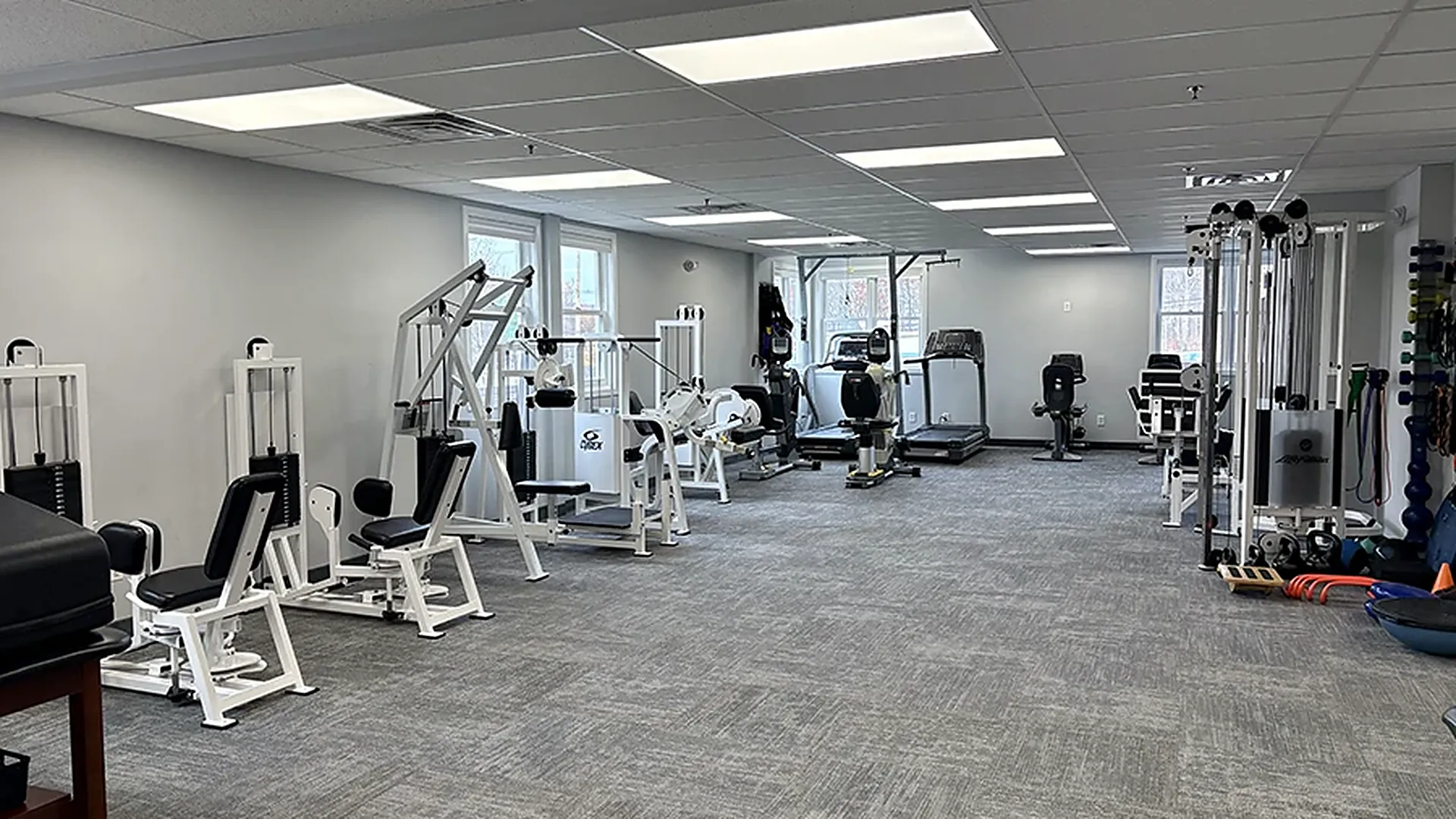
Your knee cannot take heavy weight yet. Your quad still has to get stronger.
Blood flow restriction training, BFR, uses a cuff on the upper arm or upper thigh to reduce blood flow out of the limb while you exercise with light resistance. The muscle works in a low-oxygen environment, which produces a strength stimulus normally reserved for heavy lifting. The healing joint never sees the heavy load.
That gap is the whole problem after surgery. The protocol says protect the repair. The muscle does not care about the protocol and starts losing size within days. BFR is how we keep loading the muscle while the tissue underneath is still healing, which is why it fits post-surgical and joint replacement patients so well.
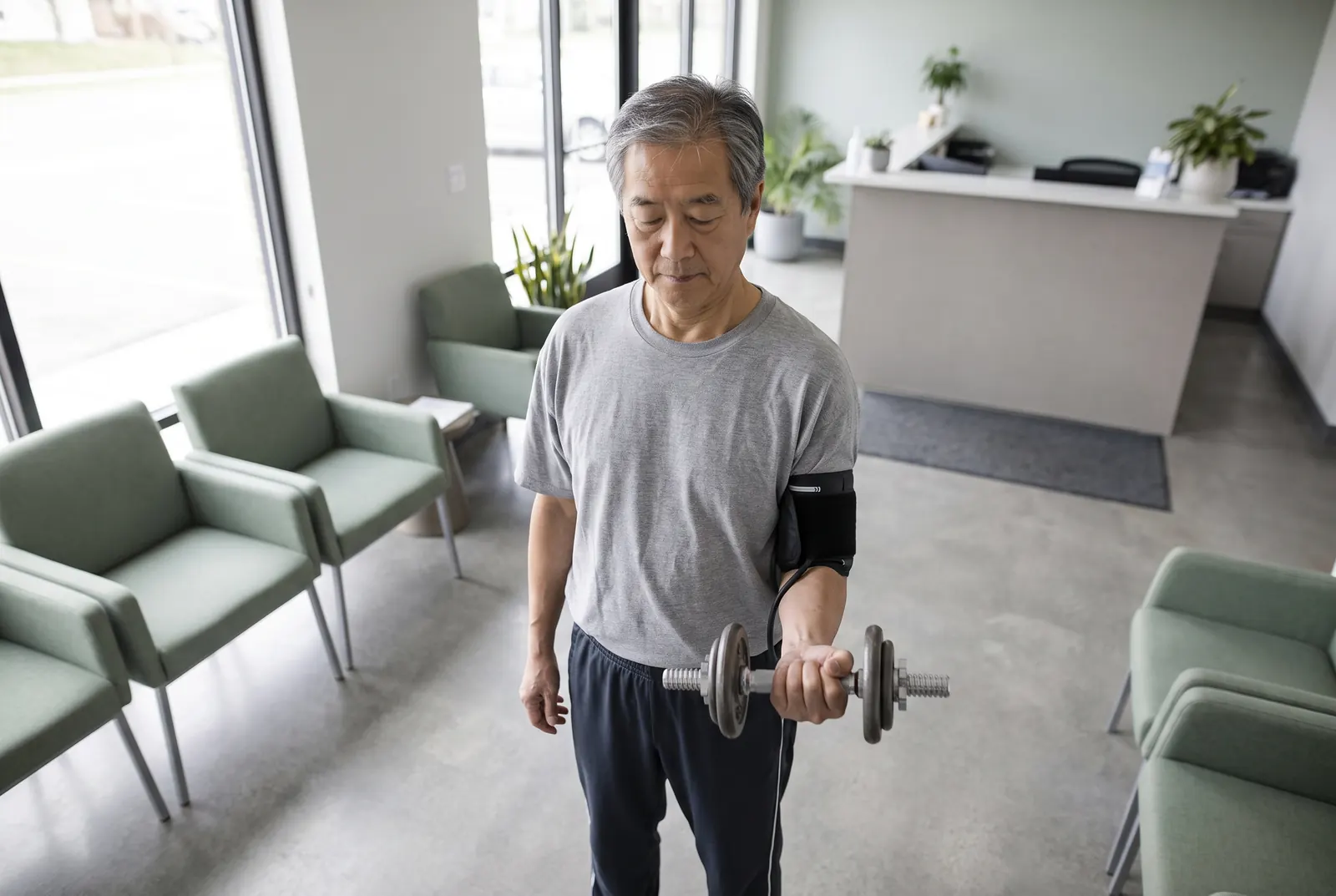
Screened, measured, monitored, charted.
Screening and Setup
Your therapist reviews your history and your surgical restrictions, then measures the limb to set your cuff pressure. BFR is not appropriate for everyone, and that decision gets made before the cuff goes on.
The Session
The cuff inflates automatically to your pressure while the machine monitors limb oxygenation, so the level of restriction holds where it should for the whole set. Sessions run in a private room, and the light weight will feel harder than it looks.
Charted and Progressed
Cuff pressure, sets, and how you responded go into the integrated EMR at the time of the session. The next session is built from the last one rather than repeated, and the cuff comes off for good once the joint can take real load.
What our patients say.
"I visited Carroll Physical Therapy during my rehabilitation from right hip replacement. My treatment was personalized to my own situation. I was able to walk unassisted two weeks after my surgery."Douglas H. · Hip Replacement Rehabilitation
Schedule Your Appointment
No referral needed. Most insurances accepted. Doors open at 5:00 AM.
Your first visit is a full one-on-one evaluation: come in, tell us everything, and leave with a plan.
* Required field
You’re all set.
We’ll reach out within one business day to confirm your appointment. If you need to speak with us sooner, call us directly.