
Your inner ear is sending the wrong signal. This corrects it.
Vestibular therapy retrains the system that keeps you oriented: the inner ear, the eyes, and the reflexes that connect the two. When that system misreads motion, you get spinning, floating, or the sense that the floor is tilting. The treatment is not medication and it is not rest. It is specific, repeated movement that teaches the brain to read the signal correctly again.
Two of the most common causes have very different fixes. BPPV, benign paroxysmal positional vertigo, happens when displaced crystals in an inner ear canal set off short bursts of spinning when you change head position, and it often clears in a few visits with a repositioning maneuver. Vestibular neuritis, inflammation of the vestibular nerve, leaves a lasting imbalance in the signal and needs a progressive program of gaze and balance work. We test first, so the plan matches the cause.
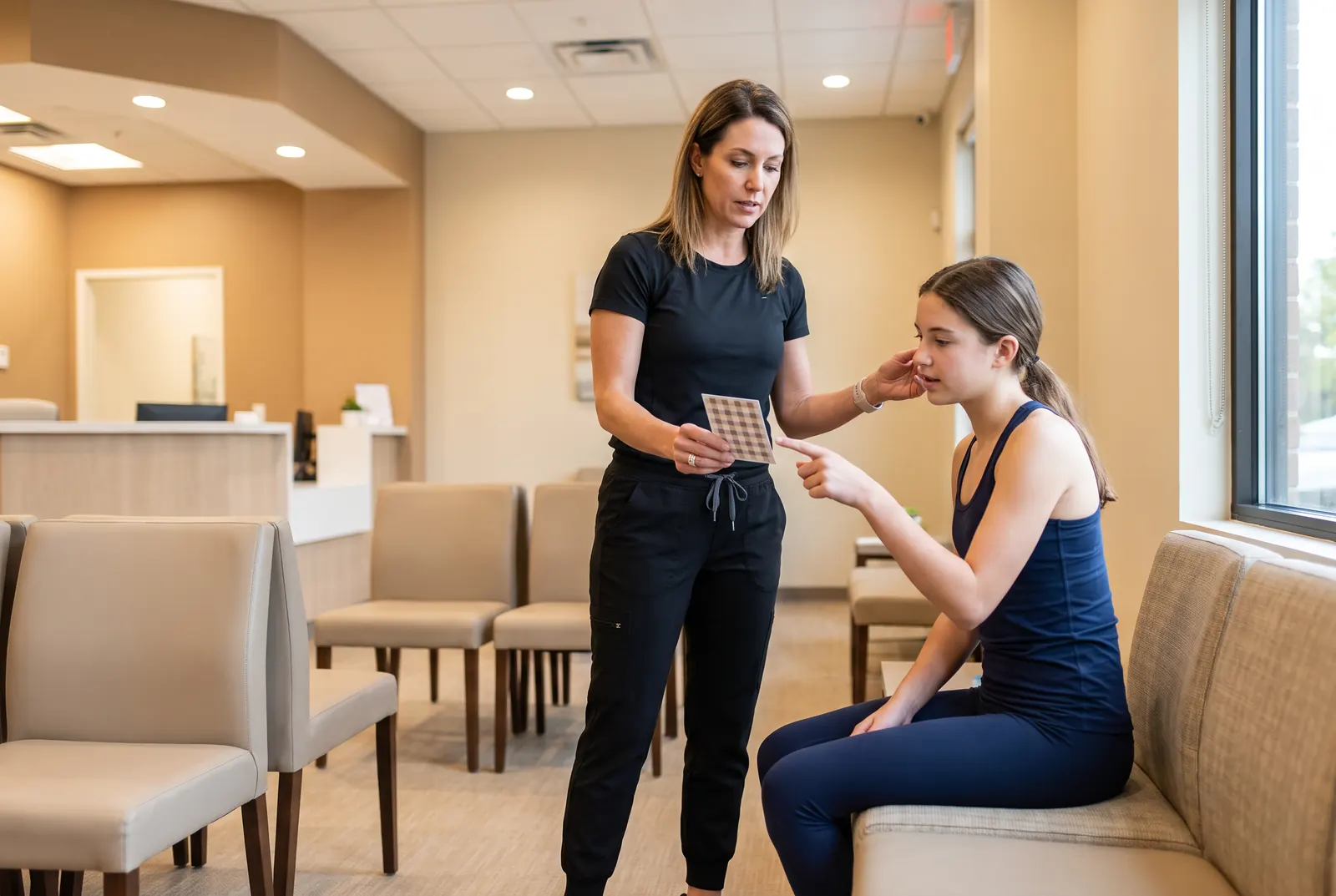
Test it, treat it, then retrain it.
Vestibular Testing
Your therapist takes your history, then uses positional testing and eye movement tests to sort out whether the problem sits in one inner ear, both, or somewhere else. You are told what the testing showed before anything is treated.
Treat the Cause
For BPPV, a repositioning maneuver moves the displaced crystals back out of the canal, often with a change you notice in the same visit. For a nerve-related cause, we begin gaze stabilization and habituation work matched to the movements that set your symptoms off.
Retrain Balance
Then we load the balance system on purpose: head turns while walking, a narrower stance, softer surfaces, less light. This is the part that gets you back to driving and crossing a room without watching your feet.
What our patients say.
"For over a year I had pain and very little mobility in my neck which made it difficult to drive. I went to Carroll Physical Therapy in Denville and worked with Dan Streeter."Barbara P. · Denville
Schedule Your Appointment
No referral needed. Most insurances accepted. Doors open at 5:00 AM.
Your first visit is a full one-on-one evaluation: come in, tell us everything, and leave with a plan.
* Required field
You’re all set.
We’ll reach out within one business day to confirm your appointment. If you need to speak with us sooner, call us directly.