
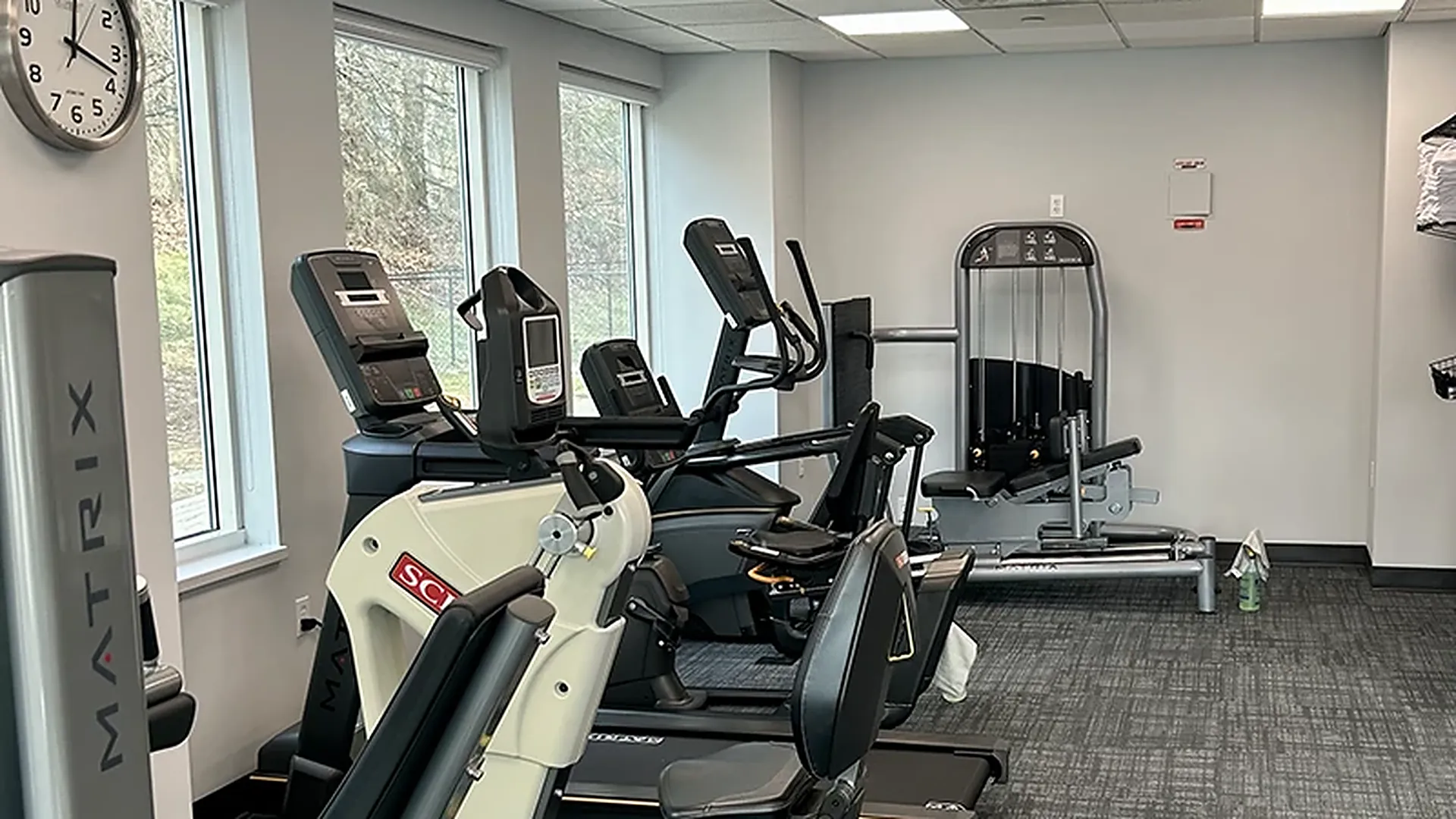
Shoulder pain is almost never just "the shoulder."
The ball and socket at the top of your arm, the glenohumeral joint, has very little bony support. It works because the shoulder blade slides correctly on the ribs, the collarbone joint at the top of the shoulder moves freely, and the ribs themselves expand and rotate. When the mid-back stiffens or the shoulder blade stops tracking, the ball and socket takes the extra travel it was never built to take.
That is why an X-ray of a painful shoulder so often looks unremarkable. The structure that hurts is frequently not the structure that caused it. We test the glenohumeral, acromioclavicular, and sternocostal joints, the shoulder blade, and the neck, then tell you which one is actually short on motion or strength.
Pain that tells us which structure is involved.
When your pain occurs, what movements provoke it, and where it refers tells us a great deal before the first hands-on assessment.
Painful Arc
Pain through the middle of the range as you raise the arm, which eases again near the top. Classic for rotator cuff or bursal involvement.
Overhead Weakness
Difficulty reaching overhead or maintaining resistance against downward pressure on the raised arm.
Night Pain
Waking from sleep due to shoulder pain, particularly when lying on the affected side.
Reaching Behind
Pain or inability to reach behind the back: putting on a bra, tucking in a shirt, or fastening a seatbelt.
Clicking or Catching
Audible or palpable clicking during arm movement, particularly with internal or external rotation.
Loss of Full Range
Gradual or sudden inability to fully raise the arm, rotate, or move through pain-free range in all directions.
The shoulder, the ribs, and the neck, together.
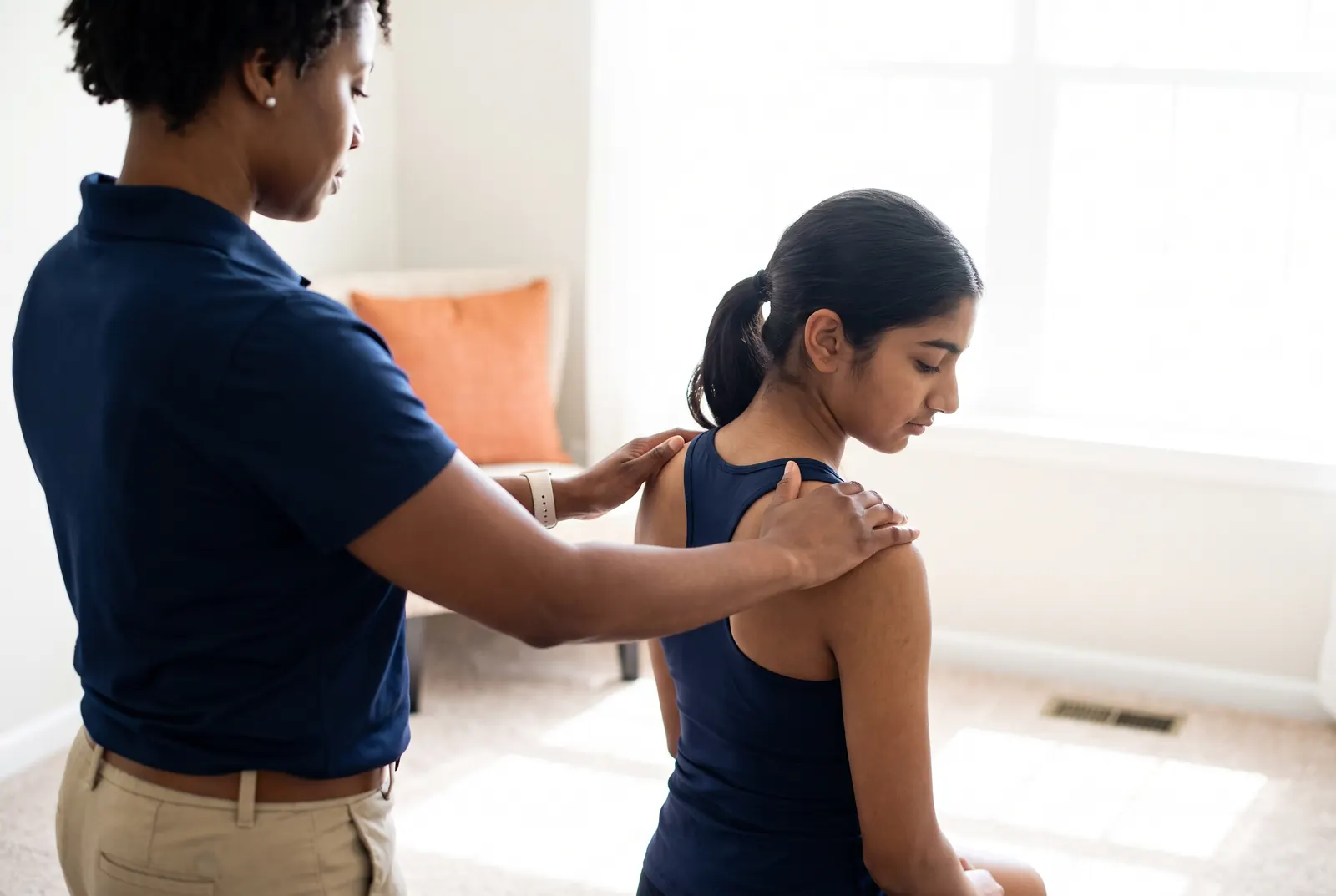
Shoulder rehab here starts with an assessment of the whole complex: the ball and socket, the collarbone joint, the shoulder blade, the ribs, and the neck. Each one is tested for what it is contributing before a plan exists. Dan Carroll holds an AAOMPT manual therapy fellowship, and that examination habit runs through the whole staff.
Then the same three moves as everywhere else: move what is stiff, strengthen what is weak, stabilize what is less controlled. Manual therapy opens the restricted joint. Rotator cuff and scapular work rebuilds the muscular support. Soft tissue work settles the muscle that has been guarding. The order matters, because strengthening into a stiff joint just reinforces the compensation.
No referral needed. Most insurances accepted. Doors open at 5:00 AM, so you can be seen before work.
What our patients say.
"I honestly thought my shoulder would never be the same after major surgery. The entire staff is super friendly and professional. Great hours."Joseph H. · Google Review
Schedule Your Appointment
No referral needed. Most insurances accepted. Doors open at 5:00 AM.
Your first visit is a full one-on-one evaluation: come in, tell us everything, and leave with a plan.
* Required field
You’re all set.
We’ll reach out within one business day to confirm your appointment. If you need to speak with us sooner, call us directly.