
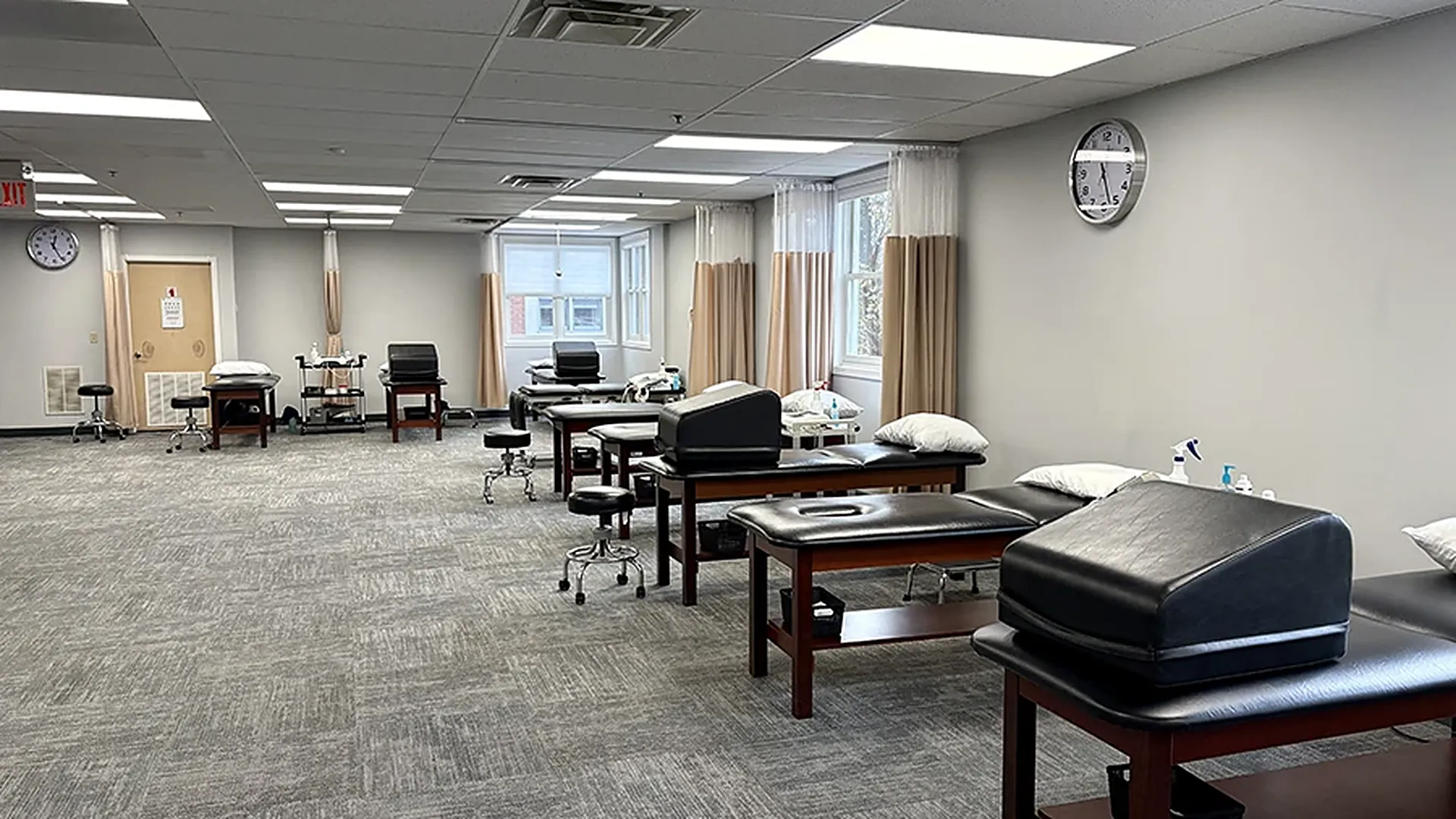
The work starts before the operation, not after it.
If you have weeks before a scheduled joint replacement or reconstruction, that time is worth something. Going in with more motion in the joint, more strength around it, and a clear picture of what the first fortnight afterwards will ask of you changes how the recovery goes. Most people are never told that, so they wait.
Afterwards, rehab is not passive healing. It is an active, staged process: protect the repair while it knits, keep the surrounding muscle switched on, then progressively load until you have your function back. We follow your surgeon's protocol exactly and add the manual therapy and loading expertise that a printed handout cannot.
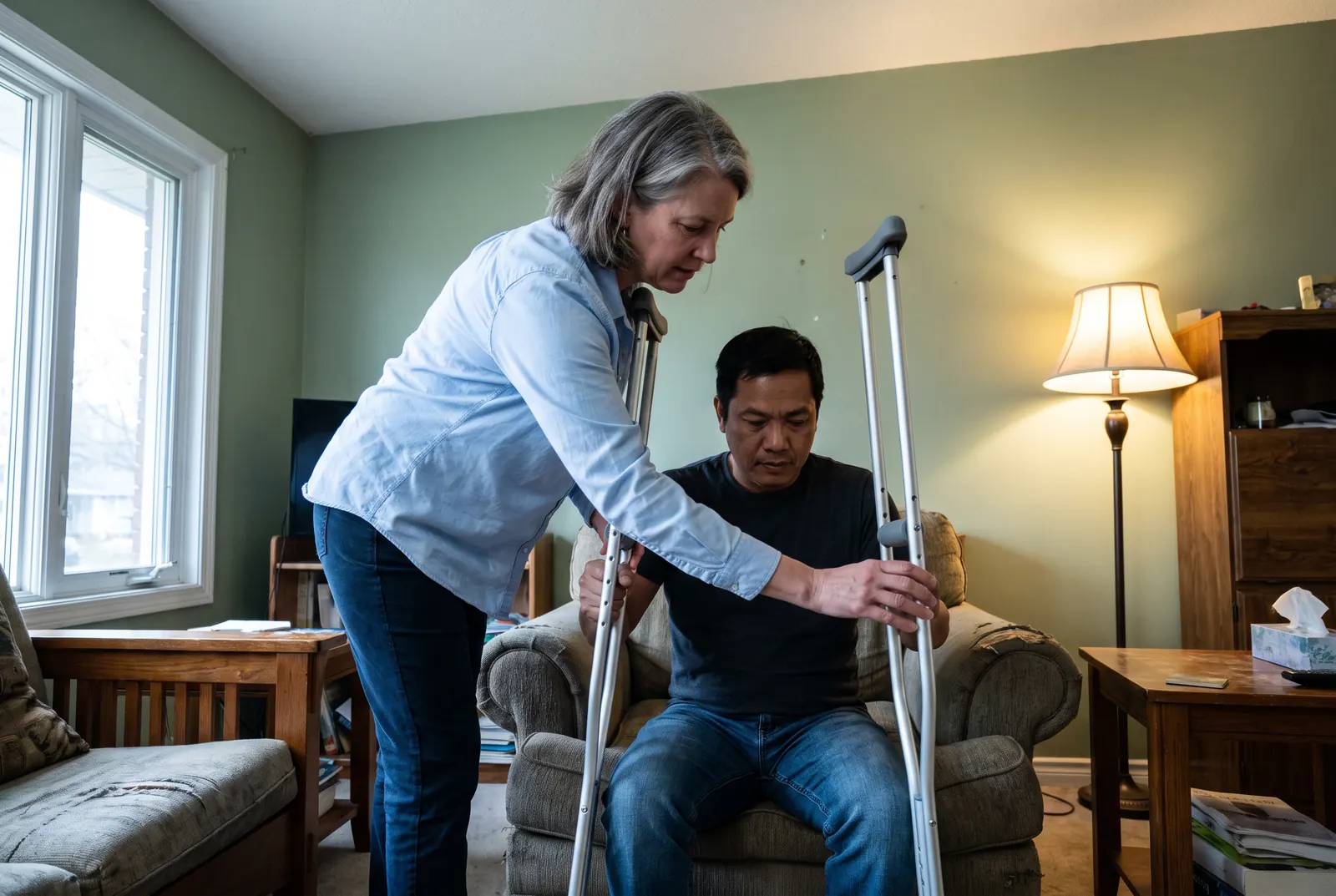
Post-surgical challenges are predictable and manageable.
Every surgical recovery involves common obstacles. The goal of PT is to address each one systematically and prevent them from becoming permanent limitations.
Range of Motion Loss
Scar tissue formation and protective muscle guarding limit joint mobility in the weeks following surgery.
Muscle Atrophy
Rapid muscle loss begins within days of surgery due to pain inhibition and disuse. PT arrests and reverses this.
Post-Surgical Pain
Normal post-operative pain that PT helps manage through movement, tissue mobilization, and modalities.
Scar Tissue Adhesion
Internal and external scar tissue that limits movement and contributes to stiffness if not actively mobilized.
Movement Fear
Protective avoidance of movement after surgery: natural, but addressed through graded exposure and education.
Neuromuscular Inhibition
The nervous system suppresses muscle activation around the surgical site. Targeted PT restores normal recruitment.
Built on your surgeon's protocol, progressed on your numbers.
Your plan follows the protocol your surgeon set, and it moves forward when your range of motion and strength say it can, not when the calendar says so. Those measurements get taken and written down at every session, and you are told what they were.
The hands-on skill is what separates this from a printed sheet of post-op exercises. Dan Carroll holds an AAOMPT manual therapy fellowship and Dr. Dan Streeter holds a COMT, so joints and scar tissue get actively mobilized through the recovery rather than left to sort themselves out. When pain limits how much weight you can put through the joint, blood flow restriction lets us build strength at loads you can tolerate.
We coordinate directly with your surgeon and work to their protocol. No referral needed. Most insurances accepted. Doors open at 5:00 AM.
What our patients say.
"I visited Carroll Physical Therapy during my rehabilitation from right hip replacement. My treatment was personalized to my own situation. I was able to walk unassisted two weeks after my surgery."Douglas H. · Google Review
Schedule Your Appointment
No referral needed. Most insurances accepted. Doors open at 5:00 AM.
Your first visit is a full one-on-one evaluation: come in, tell us everything, and leave with a plan.
* Required field
You’re all set.
We’ll reach out within one business day to confirm your appointment. If you need to speak with us sooner, call us directly.