
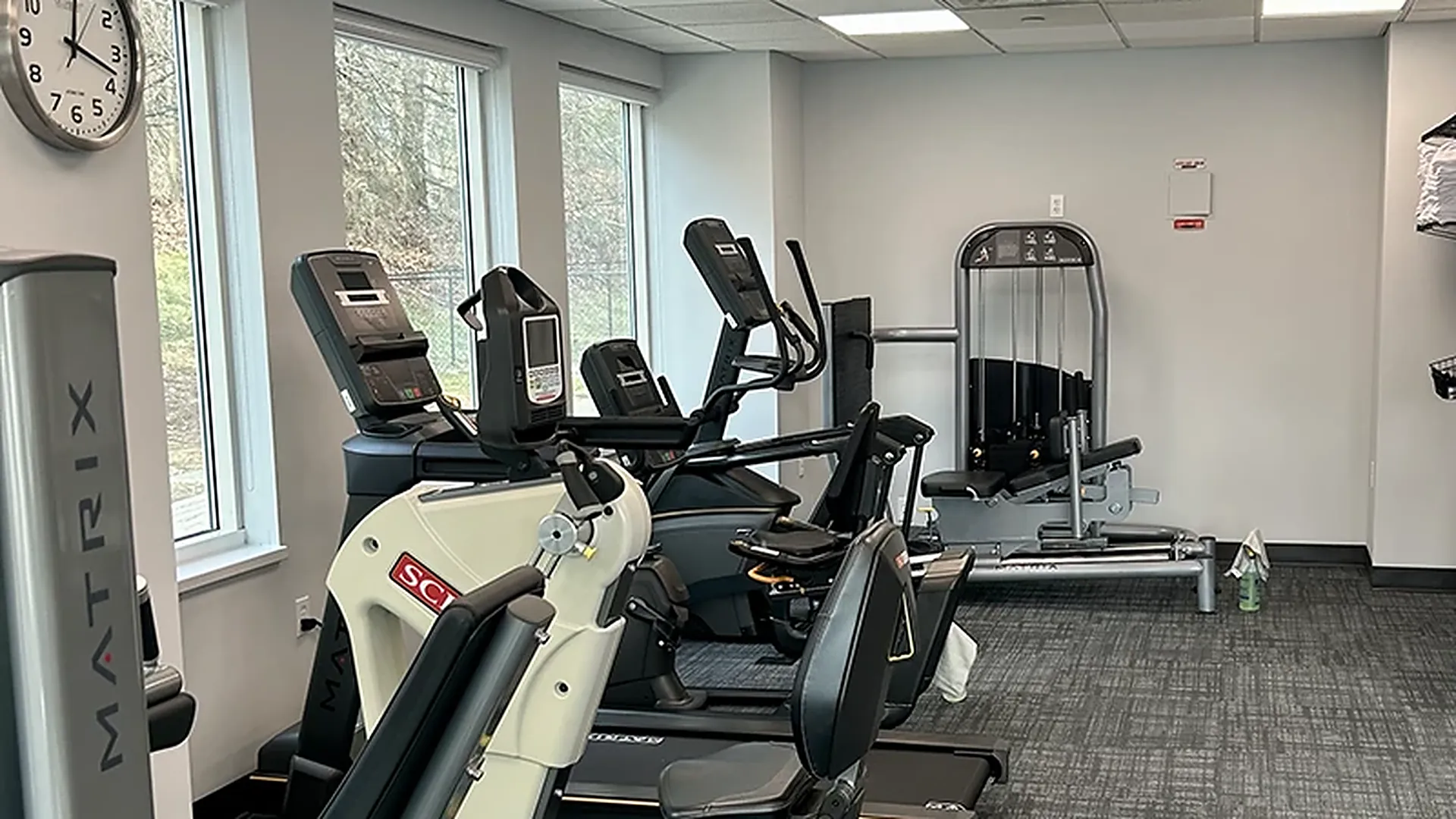
The tool finds what fingers miss.
IASTM stands for instrument-assisted soft tissue mobilization. Certified specialists use patented stainless steel tools, worked along the muscle and fascia, to locate and treat areas of restriction. Steel transmits vibration back through the therapist’s hand, so dense or adhered tissue announces itself in a way that palpation with fingers alone often does not.
The treatment is a controlled stroke across the restricted tissue. That input starts a local healing response in tissue that had gone quiet, and it improves how the layers glide over each other. Old surgical scar tissue, long-standing tendon problems, and areas that have been stiff for years are the usual targets.
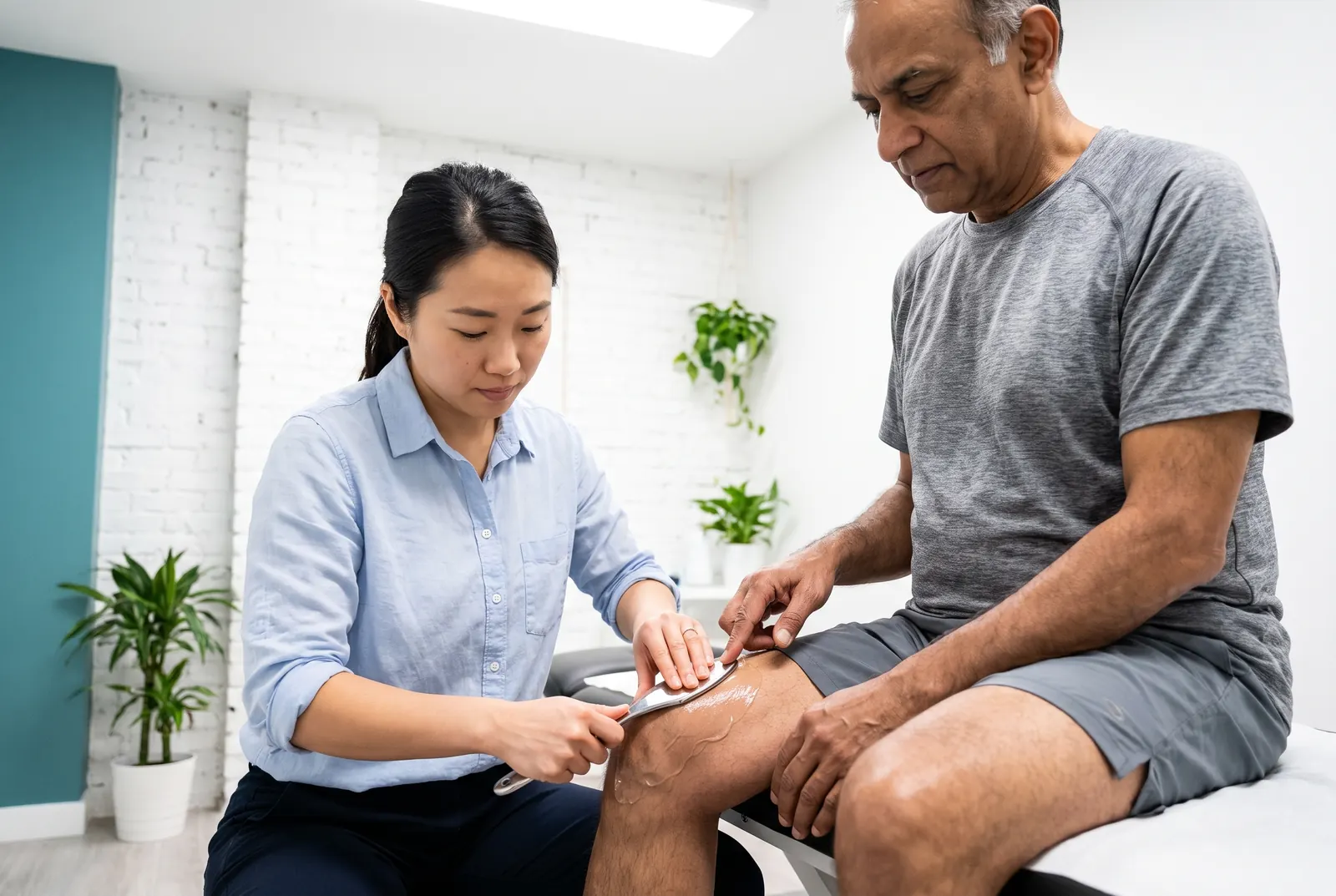
Map the tissue, treat it, then move it.
Mapping the Tissue
Your therapist runs the instrument along the involved muscle and fascia. Restricted areas feel and sound different through the steel, which is how the treatment area gets defined instead of guessed at.
Targeted Treatment
Controlled strokes are applied across the restriction with a lubricant, at a pressure you and your therapist agree on. Some redness afterward is normal and expected. It is the local response the technique is meant to produce.
Move It Immediately
Freed tissue is taken through its new range and then loaded, usually with corrective exercise. Tissue heals along the lines it is used in, so what you do after the tool matters as much as the tool.
What our patients say.
"I gone to many PT places over the years. Working with Dan at Carroll Physical therapy i have notice a difference. He took time to listen and took action. Im feeling better."Karen F. · Hands-On Treatment
Schedule Your Appointment
No referral needed. Most insurances accepted. Doors open at 5:00 AM.
Your first visit is a full one-on-one evaluation: come in, tell us everything, and leave with a plan.
* Required field
You’re all set.
We’ll reach out within one business day to confirm your appointment. If you need to speak with us sooner, call us directly.